

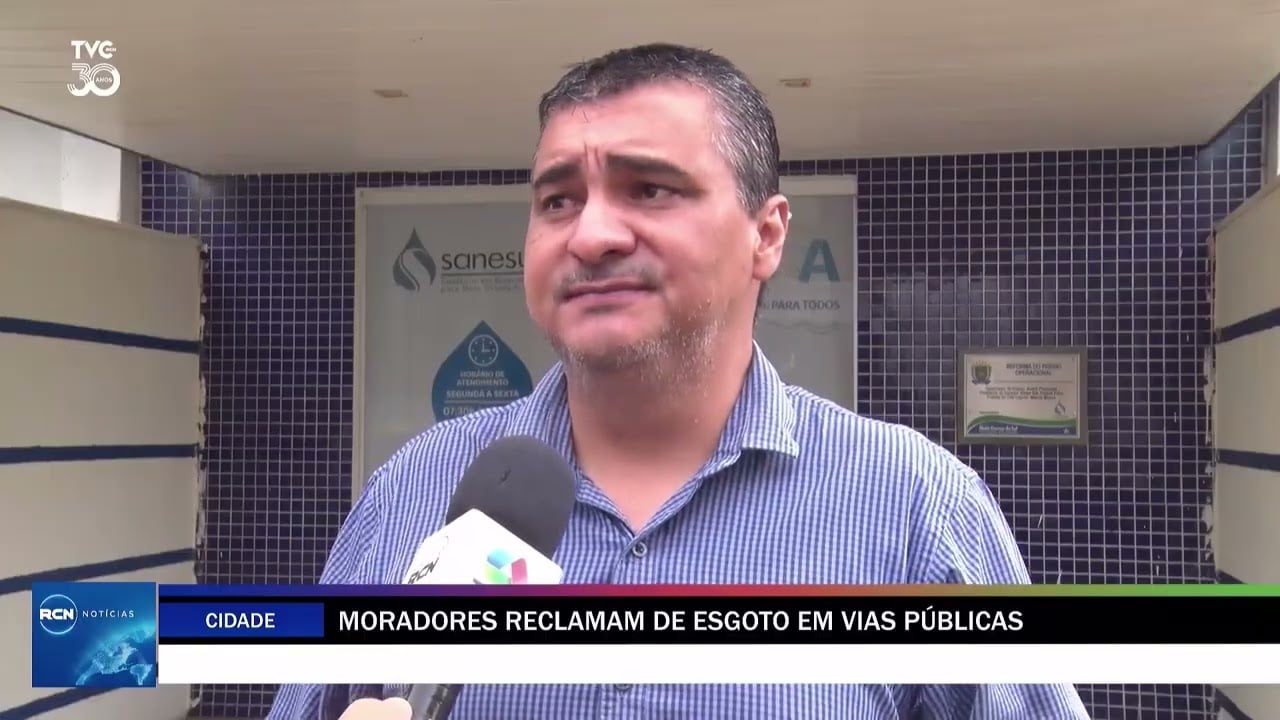
Residents in Três Lagoas are again facing sewage overflow in streets and avenues, causing bad odor, traffic disruption, and health concerns. The collection network covers about 99% of the city, yet isolated complaints persist in areas without connection, such as some streets in the Lapa neighborhood, and the leaks have recurred in recent months.
The discomfort extends beyond nuisance. In zones where sewage spills onto the road, residents and workers report difficulty maintaining routine activities and demand a permanent solution, not just spot repairs. Marco Antônio Gonçalves, a local shopkeeper, said: ‘Não é fácil trabalhar com esse mau cheiro. Já estamos há um bom tempo com isso. Só aqui nesse ponto eu tenho três anos, fora os 20 anos que fiquei mais embaixo, e é constante esse problema. Já pedimos várias vezes, o pessoal dá uma solução, mas está difícil.’
According to Adilson Bahia, regional manager of Sanesul in Três Lagoas, one cause of the leaks is the theft of electrical wiring in sewage elevators. In the last 60 days, the unit recorded 61 thefts in nine elevators, even though the operational units are monitored by cameras and alarms.
Furto de fiação
When the wiring is stolen, the elevator stops functioning until the system is restored. A single elevator can serve a basin with thousands of connections, and during the downtime, several points of the network may begin to overflow, according to the manager.
The city has 32 elevators, a necessary structure due to Três Lagoas’ flat terrain. These units help convey sewage to treatment stations, as the network must overcome the city’s natural low gradient. Bahia explained that the sewage network should receive only wastewater, meaning water used in households. The discharge of solid waste compromises flow and can cause blockages. Among the materials found in the network were hair, cotton swabs, tampons, and other items that should not be disposed of in the system.
Grease from homes also poses a risk, especially when there is no proper grease trap. The material forms deposits in access points and requires preventive desobstruction actions. When asked whether the pipes could not accommodate the volume of sewage produced in the city, the manager said that hypothesis ‘não procede’. He added that the network and elevator projects are designed by a technical engineering team and are sized to meet each basin’s demand.
Impacto na saúde
The company also attributes some overflows to rainfall volume during this period, linked to the El Niño phenomenon. Bahia said many households still connect rainwater to the sewage system, although the system was not designed for stormwater. In the Orla da Lagoa, where the sewage system is about 30 years old, the situation becomes more evident when it rains. The company advises residents to remove these irregular connections, because the sewage network should receive only domestic wastewater, while rainwater must follow drainage.
To reduce the disturbances, a third‑party company patrols neighborhoods, performing drainage of sewage that overflows from the network. The report does not provide a deadline for a permanent solution. While the service continues in neighborhoods, residents are demanding that the problem stops recurring and that the network operates without new overflows.
The next step involves continued monitoring of the elevators and enforcement of anti‑theft measures, as well as public education on proper disposal and rainwater management. The city and Sanesul are working to prevent further health risks and restore normal traffic flow.